



Lloyd Mutungwazi
A call to understand and include insects on the Sustainable Development Goals (SDGs) has been made by local natural resources experts, The Zambezi Times reports.
The importance of insects and their impact on climate change and their enormous contribution on alleviating hunger should not be ignored in society.
On a one day symposium hosted recently by the Southern Alliance for Indigenous Resources (SAFIRE) in collaboration with the Natural History Museum of Zimbabwe a clarion call was made to seriously consider infusing insects in the sustainable development goals.
Insects according to experts contribute much and most people have consumed insects in one way or the other hence their recognition as a source of food.
Themed, ‘insects, food security sustainable development and climate change’, the symposium’s objective was to create awareness on climate change as well as to stimulate discussion around the potential of insects and their uses in Zimbabwe.
Addressing delegates, SAFIRE representative and an alumni of the National University of Science and Technology (Nust) now researcher of Entomology, Honest Ndlovu said there is more to be discovered on insects.
Entomology is the study of insects.
“As SAFAIRE our mission is to promote the Sustainable Development Goals in rural communities, exhuming hidden treasures of insects in sustainable development.
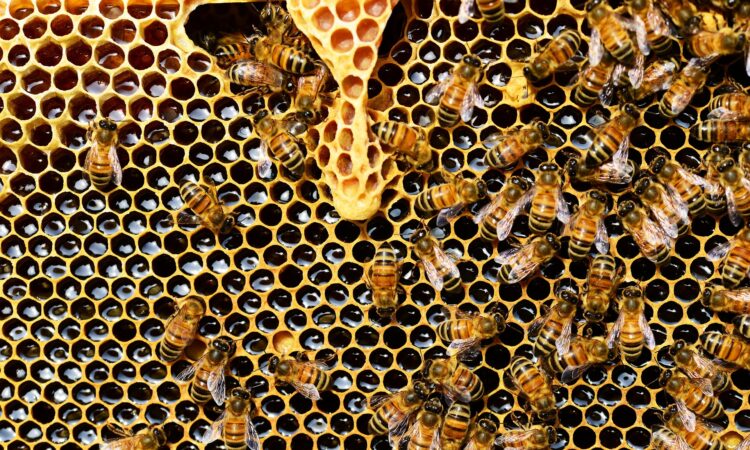
“Insects reduce poverty and zero hunger, for example ,bees can reduce poverty through honey production for example the communities in Lupane have managed to alleviate poverty through selling of honey to the local markets,” Ndlovu said adding that honey has more medicinal purposes.
According to Ndlovu bees like many other insects do have enormous benefits to mankind.
“Bees also have a mutualistic relationship with flowers where both species benefit in a process called pollination.
“Insects can zero hunger, researchers highlighted 90% of us have consumed insects. 99% of the consumed insects in Zimbabwe are wild harvested meaning they come from the forest and natural pastures,” he said.
Speaking on the same occasion, Professor Musundire an Entomologist from Chinhoyi University of Technology (CUT) believes that insects have potential of alleviating poverty.
“Insects can unlock potentials through insect farming like the one which is practiced in by a local man in Rusape.
“As we continue losing some water bodies through eutrophication which affects aquatic diversity, opportunities can also be harnessed through farming of the black fly which feeds on water hyacinth. The larvae of this insect can make feed formulations in poultry and fish farming,” said Professor Musundire.
Meanwhile, in his concluding remarks Ndlovu said there is a need of more research and encouraging young Zimbabweans to like the study of entomology.
“SAFIRE is open to have community training programs, awareness programs on climate change and also work with the educational institutions in carrying researches on how insects can fit in climate change like the one already implemented in the Lowveld’s Malipati area.


