


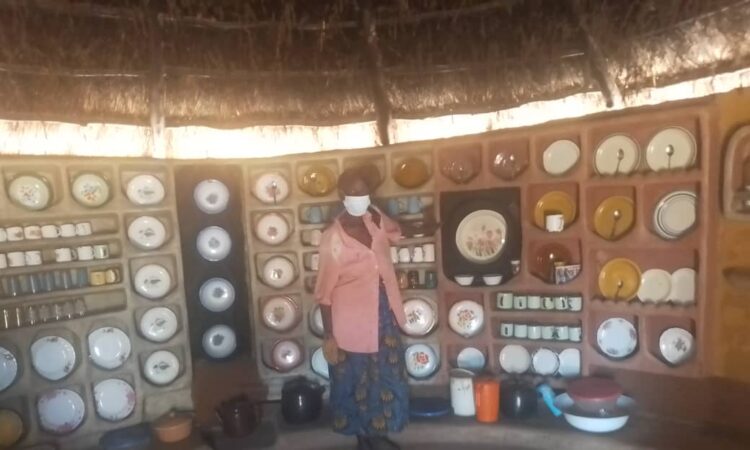

ZimParks, Kango Products partner to empower Lupanda villagers
Nathi Masuku
THE Zimbabwe National Parks and Wildlife Authority (ZimParks) and a kitchenware manufacturer, Kango Products have partnered to sponsor women of Lupanda in rural Lupane district in a kitchen decoration competition.
This comes at a time when the community of Lupanda has raised its concern on the devastating effect of the human-wildlife conflict in the area. Lupanda is nestled in the heart of a vast wildlife territory.
The kitchen decoration contest that is slated for 25 September, is meant to empower women who have felt the brunt of human-wildlife conflicts.

Through a women’s only group, Sizimile Club, the kitchen decor activities are also a way of making use of traditional art as a psycho-social tool.
Kitchen decorations are a mainstay of rural living, with women taking pride in it as they show off their artistry and home cleanliness.
Having seen how distraught the women in Lupanda’s Ward 22 were, one Catherine Ncube formed Sizimele Club where she has recruited 10 members.
The members are now in a series of competitions that will culminate to the final where prizes will be handed out.
After being encouraged by a development agency, the Lupane Youth Development Trust (LYDT), the women of Lupanda have not looked back.
“They applied for donor assistance to aod their activities and they have now on board Kango and the ZimParks,” LYDT director Tawanda Mazango told The Zambezi Times.
“On the 25th of September, they are having a ceremony where the best decorators will be rewarded.
“Lupane Youth for Development Trust commends the ZimParks’ gesture in support of local communities’ initiatives.”
Mazango said the commitment by ZimParks and Kango Products proved that development can only be meaningful if communities in distress are supported.
“Communities living in wildlife infested areas are indebted to this partnership. Ward 22 is one of the areas where every year there are human wildlife conflicts.
“This support by ZimParks will go a long way in building partnerships with these communities, with anticipated future cooperations in managing and controlling the wild animals.”
He said through working with communities, they noticed that young people suffer the most from the human-wildlife conflicts.
“It is a sad reality. In this, we have noted that youths are the most victims of human wildlife conflicts,” he said.


