



Georgina Soko
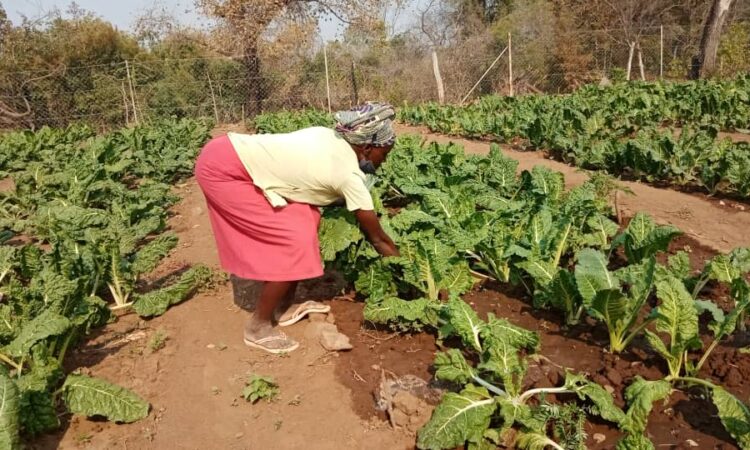
THE establishment of a three hectare solar powered irrigation garden in Dinde is expected to reduce negative coping mechanisms by vulnerable households such as rampant charcoal production.
The ward is known for charcoal production with hordes of trees being cut down to feed into the production process. The district has witnessed a surge in the number of communities engaging in the charcoal making business which targets the Mopane trees which environmentalists say is under threat.
Environmental activists argue that deforestation is also contributing to the climate change phenomenon which has ravaged communities leading to food insecurity and livelihood loss.
Although the production of charcoal in Zimbabwe is illegal, communities engaging in the business blame the economic situation for driving them deeper into poverty. However, Lovemore Nyoni said the garden project will go a long way in improving livelihoods and enhancing coping mechanisms.
“The establishment of the solar powered irrigation gardens in Dinde ward has definitely helped to reduce negative coping mechanisms by vulnerable households who relied on cutting trees and selling charcoal. Now they can grow food throughout the year and even sell some vegetables to earn income for their families, “said Nyoni.
He said the establishment of these gardens was part of building resilience and adaptation in the face of climate change.
“The five irrigation gardens in Dinde are allowing over 160 households to counter climate change driven droughts through irrigation agriculture. They are now producing food throughout the year.”
The new three hectares irrigation garden at Dinde will be irrigated through a solar pump mechanized borehole. This will ensure an additional 66 households benefit from intensive vegetable production for household consumption and commercial sale. The same ward is also building a dam that is expected to help communities have more resilience to climate change induced shocks such as droughts.
“The weir dam construction is a strategy of water harvesting to mitigate drought caused by climate change. These are constructed through the food for assets programme in partnership with WFP to allow communities to build livelihoods assets which will help them become more resilient to shocks like droughts. The water in the dams becomes available for livestock as well as community irrigation purposes.”
The child focused organisation has constructed over 10 solar powered schemes in Dinde, Chilanga, Jambezi, Kasibo, Sidinda and Mashala amongst others. The development has begun to bear fruits as communities are benefiting economically and nutritionally.


