


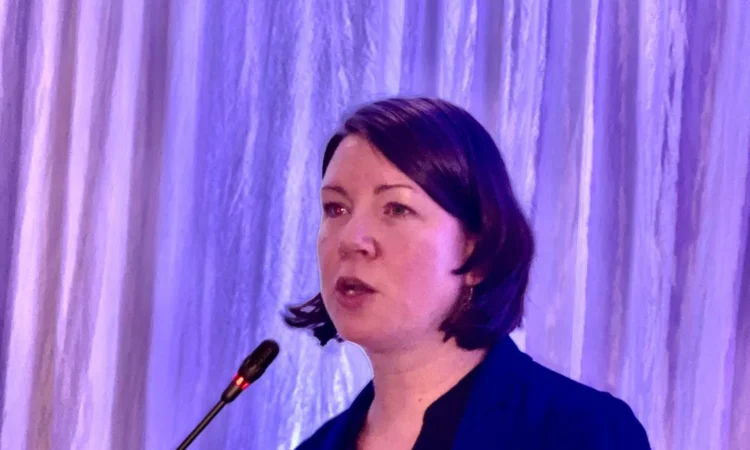

HARARE, – Civil society organizations from across Southern Africa have convened in Harare this week for the annual Non-State Actors Dialogue on the Southern African Development Community’s (SADC) Regional Indicative Strategic Development Plan (RISDP) 2020-2030.
The two-day event, held on the sidelines of the SADC Heads of State and Government Summit, has drawn representatives from 16 regional organizations seeking to strengthen social accountability in the implementation of SADC’s blueprint for economic integration and sustainable development.
“After four years of RISDP implementation, it’s crucial that we take stock of progress and ensure public resources are being used effectively to deliver tangible benefits for citizens,” said Jane Mpofu, Coordinator of the Southern Africa Trust, one of the dialogue’s co-conveners.
The dialogue will examine the RISDP’s performance across key thematic areas such as climate change, health, education, agriculture, trade, gender, and youth. Participants will also explore ways to deepen civil society engagement in regional policy processes.
“We want to make a strong case that transparent and accountable management of public finances is essential for boosting inclusive growth and advancing the SADC integration agenda,” said Mpofu.
In addition to civil society groups, the event will also include representatives from the SADC Secretariat, SADC Parliamentary Forum, and SADC national contact points. Journalists and other interested stakeholders are encouraged to register and attend the open dialogue.
“This is a critical dialogue that can shape the future direction of the RISDP and ensure it delivers meaningful impact for people across Southern Africa,” said Edson Ngirazi, Executive Director of the SADC Council of NGOs.
The outcomes of the two-day dialogue will inform advocacy efforts to influence SADC policies and programming at both regional and national levels.


