



Calvin Manika
HWANGE is known world wide for its wild life that attracts thousands of tourists every year.
It is also held in prestige for housing the famous big five wild animals, that is the buffalo, lion, leopard, rhino and elephant.
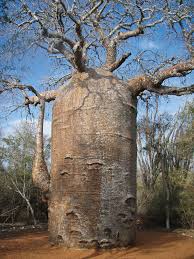
But what is unknown to most people is that Hwange is the home to hundreds of baobab trees.
The most famous hotel in Hwange is called the Baobab Hotel.
Baobabs belong to the genus Adansonia family and was named after French naturalist and explorer Michel Adanson.
Baobabs are one of the nature’s oldest and funniest-looking trees; they grow in low-lying areas in Africa, Australia and Madagascar.
All grow in seasonally arid areas, and are deciduous, shedding their leaves during the dry season and remaining leafless for nine months of the year.
There are nine species of baobab trees. Two are native to the African continent.
Locally, a baobab tree is known as ‘mbuyu’ (or ‘muuyu’ in Shona and ‘umkhomo’ on koaaa Ndebele.
But, Zimbabweans, have failed so far to tap into the potential benefits offered by baobab trees.
For starters, Baobab trees are not only useful to humans but key to ecosystem elements in the dry African savannas.
Importantly, baobab trees keep soil conditions humid, favour nutrient recycling and avoid soil erosion.
They also act as an important source of food, water and shelter for a wide range of animals, including birds, lizards, monkeys and even elephants.
Elephants from the Hwange National park eat the bark of the baobab during dry seasons.
There are many products which can be made from the baobab and sold to wholesales, pharmacies, clinics, supermarkets, foreign chains and individuals.
Baobab is a good source of many important vitamins and minerals.
Research shows that the nutritional content of baobab can vary depending on the geographical location where it’s grown and between different parts of the plant, such as the leaves, pulp and seeds.
The fresh fruit has an acidic, tart and citrus flavour. It is a good source of vitamin C, potassium, carbohydrates, and phosphorus.
The dried fruit powder of Adansonia digitata, baobab powder, contains about 12% water and calcium, magnesium, potassium, iron, and phytosterols, with low levels of protein and fats.
In Angola, the dry fruit is usually boiled and the broth is used for juices or as the base for a type of ice cream known as gelado de múcua.
While in Zimbabwe, the fruit is used in traditional food preparations which include “eating the fruit fresh or crushed crumbly pulp to stir into porridge and drinks”.
In the European Union (EU), prior to commercial approval, baobab fruit powder was not available for use as a food ingredient, as legislation from 1997 dictated that foods not commonly consumed in the EU would have to be formally approved first.
In 2008, baobab dried fruit pulp was authorized in the EU as a safe food ingredient, and later in the year was granted GRAS (Generally Recognized As Safe) status in the United States.
The seeds of some species are a source of vegetable oil.
In Tanzania, the dry pulp of Adonsia digitata is added to sugarcane to aid fermentation in brewing (beer making).
Some baobab species are sources of fiber, dye, and fuel.
Also, Baobab trees may help slow the increase of blood sugar levels and decrease the amount of insulin needed to keep the blood sugar under control.
The fruit is high in fiber, which may improve digestive health and prevent conditions like constipation, intestinal ulcers, inflammatory bowel disease and hemorrhoids.
Further, the leaves, rich in iron, can be boiled and eaten like spinach. The seeds can be roasted to make coffee substitutes or pressed to make oil for cooking or cosmetics.
Much more, the fruit pulp has six times more vitamin C than oranges, making it an important nutritional complement in Africa and in the European, US and Canadian markets.
Locally, fruit pulp is made into juice, jam, or fermented to make beer. The young seedlings have a taproot which can be eaten like a carrot. The flowers are also edible.
The roots can be used to make red dye, and the bark to make ropes and baskets.
Baobabs also have medicinal properties, and their hollow trunks can be used to store water.
Baobab oil is one of the unheard-of oils. Eczema, psoriasis, such as good skin diseases, preventing premature aging and destroying the bags under the eyes are among the benefits of baobab oil.
A manufacturing plant at Lukosi shopping centre, Hwange is making products from the baobab fruit.
However, the cooperative is operating on a small-scale capacity with the available donor funded machinery.
There is need for the ministry responsible for small and medium enterprises to assist such community initiatives as this will create local employment and boost the province’s economy.
People in Hwange if fully utilise the baobabs in their forests to start companies they will improve their livelihoods.


